The Eichler Heating Check Most Owners Skip Until October
Eichler homes run heating systems that are older, unusual, or both. Here is what to do before October turns cold, and what a service visit will and will not tell you.
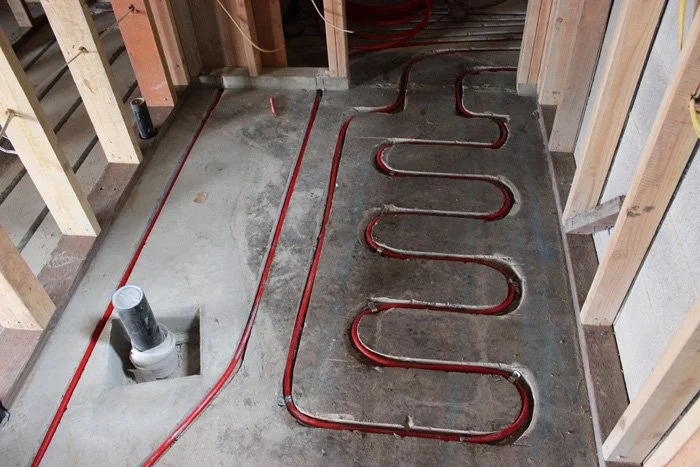
Why Eichlers deserve a closer look before winter
Most Eichler homes were built with radiant floor heating — copper tubing embedded in the concrete slab, fed by a central boiler or furnace. Many of those original systems have been replaced over the decades with forced-air furnaces, heat pumps, or split systems, sometimes more than once. That layered history means the heating equipment in any given Eichler may be original, retrofitted, recently replaced, or some combination. October is the right time to find out which yours is, and whether it is ready to run.
What a service visit covers
A licensed HVAC technician working a standard fall tune-up will generally do several things:
- Inspect the heat exchanger (on a forced-air furnace) for cracks or separation — this is the part that can allow combustion gases to enter living air
- Check burner operation, ignition, and flame color
- Test safety controls and limit switches
- Inspect the flue and venting path for obstructions or deterioration
- Measure airflow and check for duct leaks where accessible
- Inspect or replace the air filter
- On a heat pump, check refrigerant charge, coil condition, reversing valve operation, and defrost cycle
What a single service visit does not do: it does not pressure-test a slab radiant system, it does not certify that a heat pump is sized correctly for the house, and it does not substitute for the judgment of a structural engineer or a building department if you suspect the slab has been compromised.
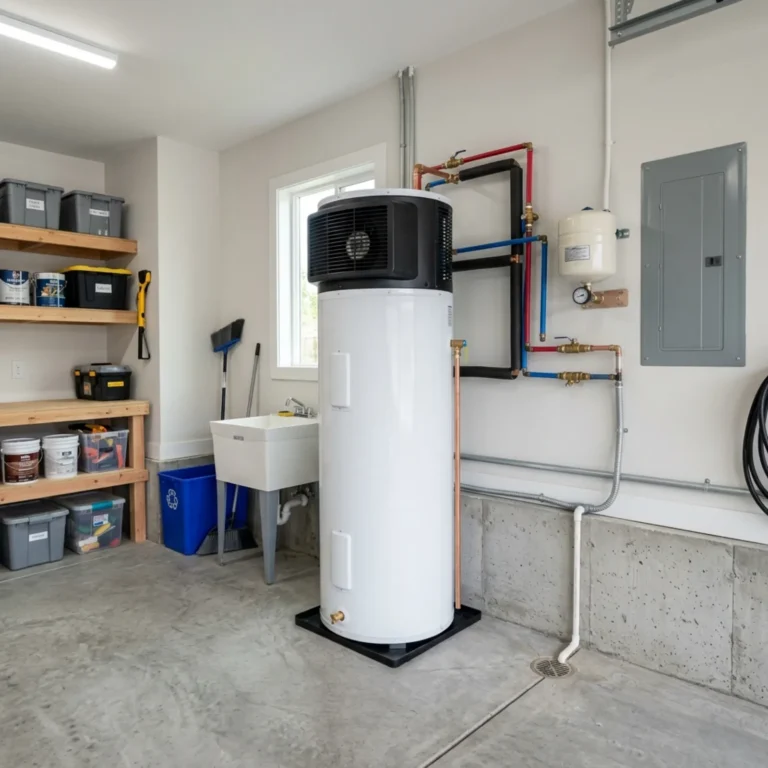
The filter question
Forced-air systems need a clean filter to move air efficiently and to protect the blower motor. A filter that is overdue is one of the most common reasons a furnace runs but does not heat well. Check yours now. The filter's MERV rating, the size, and the replacement interval are printed on the filter frame or in the equipment manual. If you have a high-MERV filter installed for air-quality reasons, confirm that your blower can handle the added resistance — a technician can check static pressure if you are unsure.
Radiant-floor systems fed by a boiler have no air filter in the heating loop itself, but the boiler still needs annual service: pressure, aquastat setting, expansion tank condition, and zone valve operation are all worth checking.
Carbon monoxide
This is not optional. Any combustion appliance — gas furnace, boiler, gas water heater — produces carbon monoxide as a byproduct. A cracked heat exchanger, a blocked flue, or back-drafting from competing exhaust fans can push CO into the living space. Eichler open-plan layouts with high ceilings and minimal interior walls can make CO harder to detect by smell or visible signs before concentrations become dangerous.
California law requires CO alarms in most single-family homes with an attached garage or a fossil-fuel burning appliance. The building department for your city is the authority on what your specific home requires. What is not in dispute: a CO alarm that is more than seven years old may be past its sensor life. Check the manufacture date stamped on the back. Replace it if it is overdue, and test working alarms when you service the furnace.
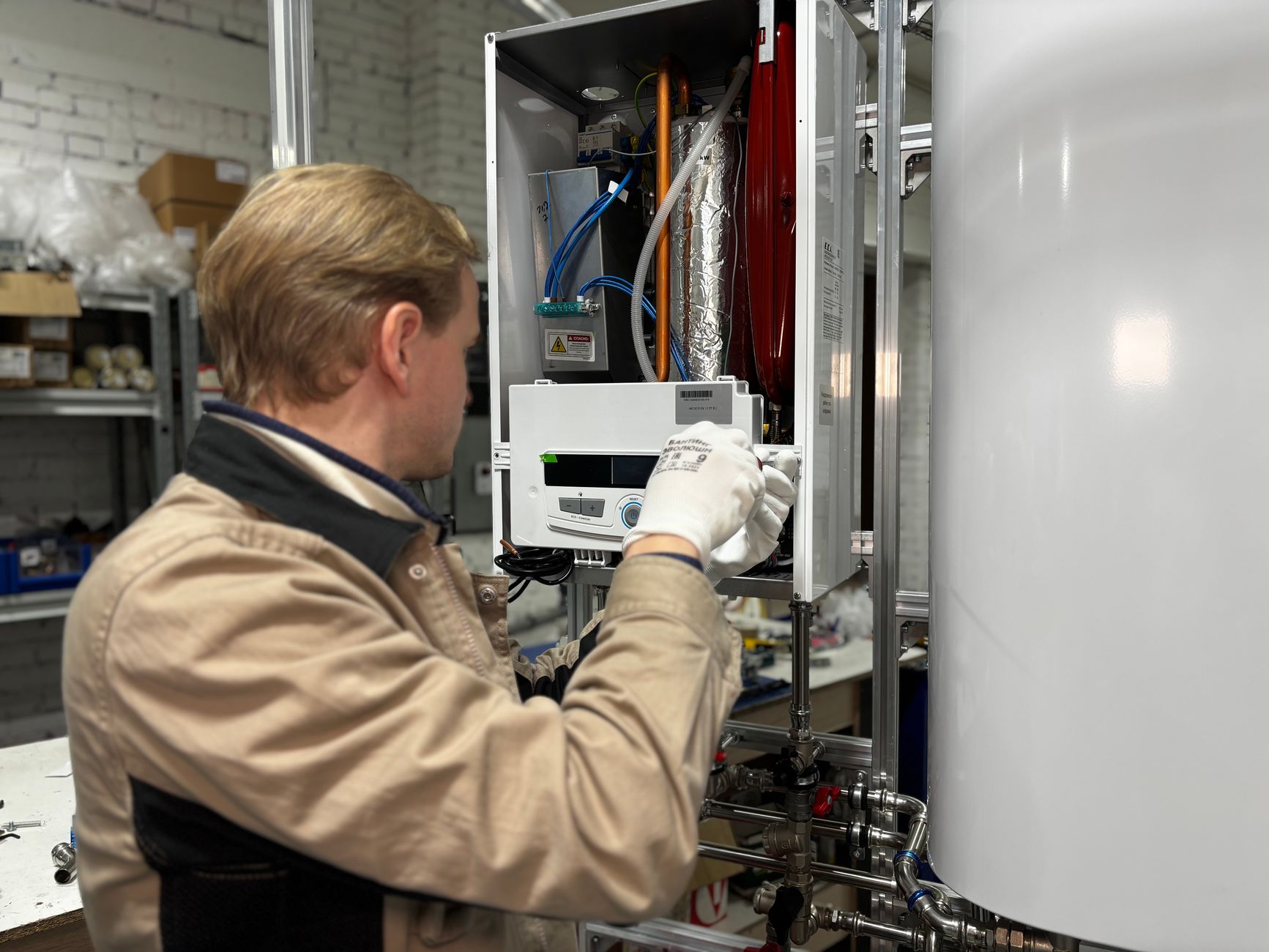
If a technician finds a cracked heat exchanger or a compromised flue, the right answer is to stop using the appliance until the problem is corrected — not to air out the house and wait.
Heat pumps: a growing share of Eichler heating
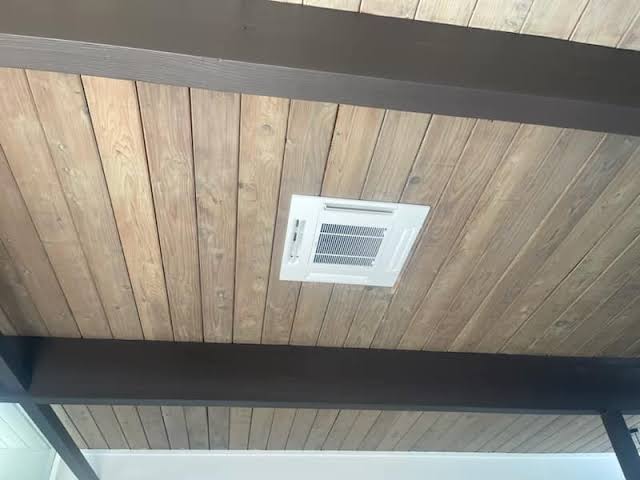
Many Eichlers have been converted to heat pump systems in recent years, either whole-home ducted systems or ductless mini-splits for individual rooms. Heat pumps require a different service checklist than a gas furnace: coil cleaning, refrigerant level, electrical connections, and drain line inspection matter more; combustion and heat exchanger checks are irrelevant. Make sure the technician you call works regularly on heat pumps, not only gas equipment.
If your heat pump is newer and still under a manufacturer warranty, confirm that the service is performed by a qualified technician and that records are kept — warranty claims can hinge on documented maintenance.
What to do now
Schedule a service visit before the first cold stretch. October in the South Bay can be deceptively mild until it is not, and HVAC technicians fill up fast once temperatures drop. While the system is being serviced, replace or inspect the filter, test every CO alarm in the house, and note the age of the equipment. If the furnace or boiler is past its expected service life, ask the technician for a direct assessment in writing — that is a decision point for a licensed contractor, not a website article.
Where to check
No official sources were cited in this piece. For CO alarm requirements specific to your city, contact your city's building department directly.
Tim McMullen · CA DRE #02016832
[email protected] · (415) 691-9272
Tim McMullen, CA DRE #02016832. Real estate services provided by Tim McMullen, Broker, CA DRE #02016832. Figures are from recorded sales; nothing here is an opinion of the value of any home.