A $1,000-Per-Square-Foot Gap Inside One Eichler Market
Eighteen recorded sales over the past year show a wide range of per-square-foot prices in this market. The spread tells a story worth understanding before you renovate or list.
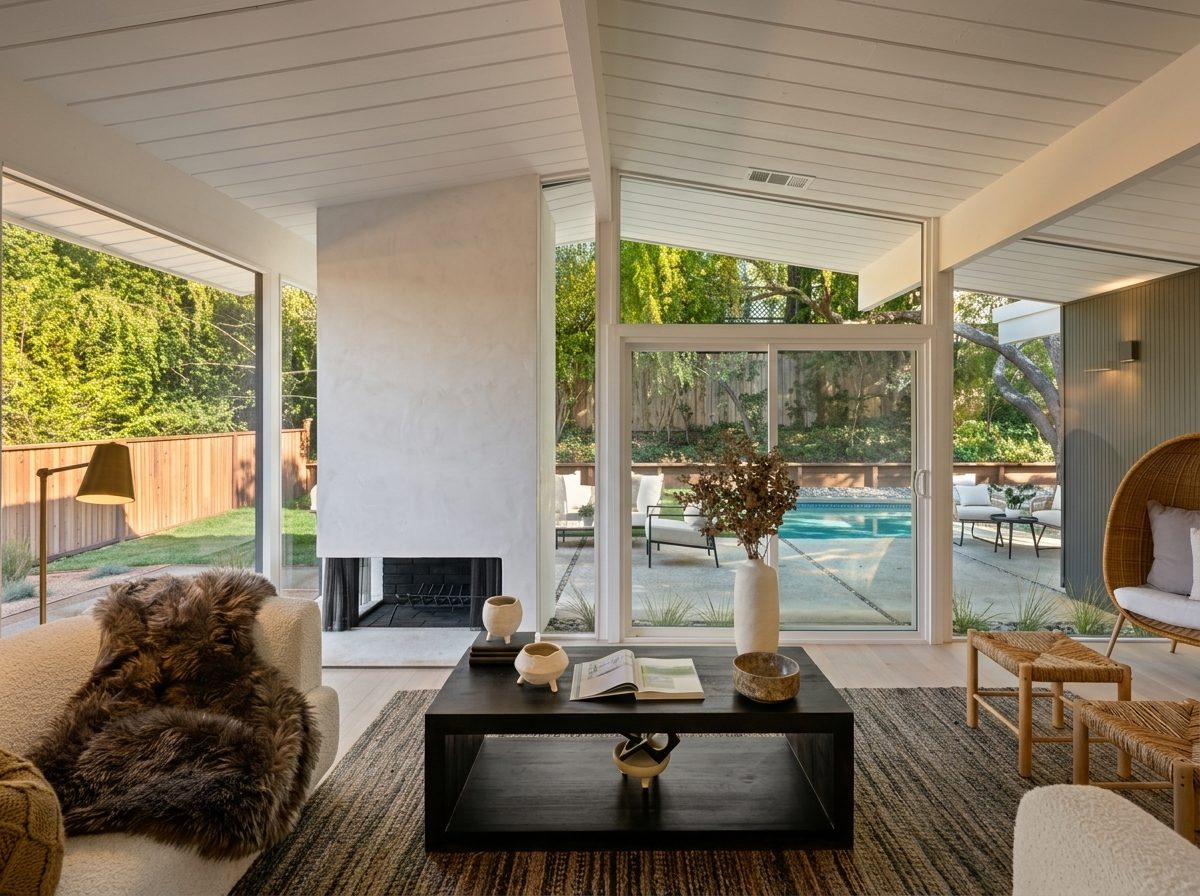
The numbers, plainly stated
Eighteen single-family sales closed in this market over the trailing twelve months. The median price landed at $3,340,000, and the median price per square foot was $1,793. That middle figure, though, conceals a range that most owners would find striking.
The bottom tenth of sales by price per square foot came in at $1,327. The top tenth reached $2,365. That is a gap of more than $1,000 per square foot between the low end and the high end of an otherwise similar housing type, all within the same market. Stretch the window to twenty-four months and nineteen sales, and the spread is nearly as wide: $1,178 at the tenth percentile, $2,317 at the ninetieth, with a median of $1,668 per square foot.
A sample of eighteen is small. Treat these figures as a directional read, not a precise valuation tool.
What the lower end of the band tends to look like
Homes at the lower end of the per-square-foot range are not necessarily distressed or poorly located. In a market this size, a handful of them are simply larger houses, where total square footage naturally dilutes the per-foot price even when the overall sale price is competitive. Others carry deferred work that buyers priced in: original systems that are well past their service life, single-pane glass in the atrium and clerestory windows that define the style, or flat roofs that have been patched rather than replaced. Eichler construction is specific enough that buyers and their inspectors tend to notice these things quickly.
The post-and-beam structure, the radiant floor heating embedded in the concrete slab, the all-glass rear walls — these are not features a general contractor can assess the same way they would a conventional wood-frame house. When the mechanical and envelope systems are original or uncertain, buyers factor that uncertainty into what they offer.
What distinguishes the top of the band
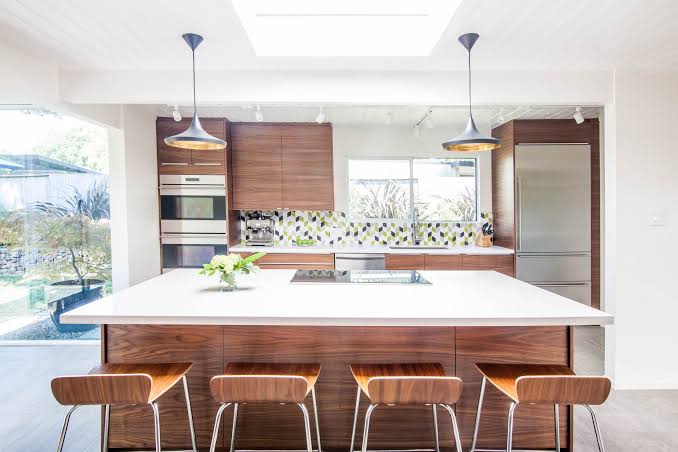
The homes that cleared $2,000 per square foot in recent closings share a pattern in how they present, though no single element explains a price. Descriptively, they tend to show work that is coherent with the original architecture rather than in conflict with it. Open-plan kitchens that did not require dropping a ceiling to build. Bathrooms where the tile language reads as considered. Glazing that has been replaced with systems that perform better thermally without visually closing off the indoor-outdoor relationship the design depends on.
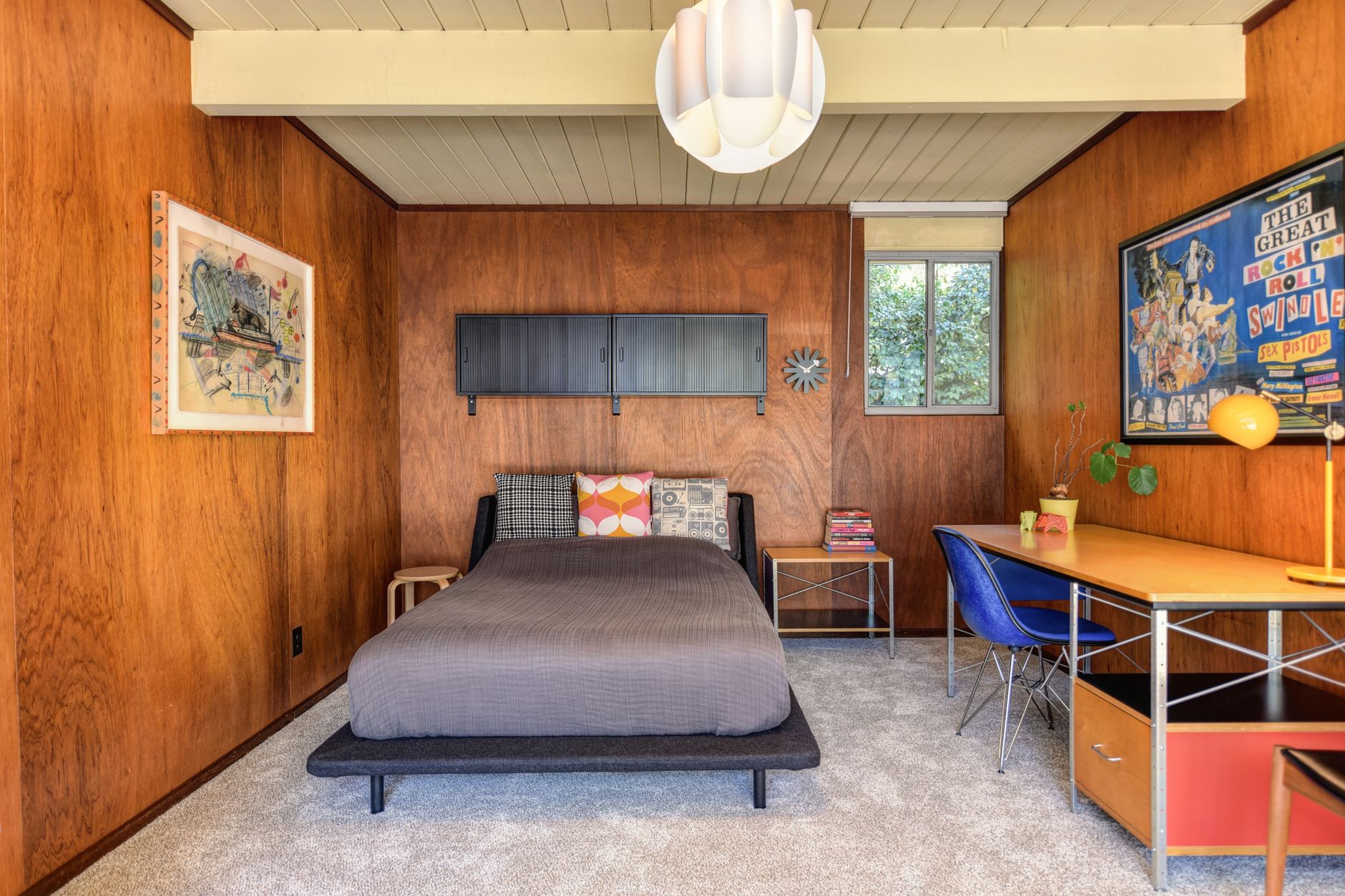
Flat-roof replacement, when it has been done and documented, also tends to appear in this tier. So does updated radiant heat — either a repiped or relined system, or a modern hydronic setup that integrates with current equipment. These are not cheap projects, and they are not glamorous ones. But they address the questions an informed Eichler buyer will ask before the offer is written.
Location within the county matters too. Several Eichler tracts sit in cities with strong school metrics, shorter commutes to major employment corridors, or particular desirability for other reasons. A home at the top of the price-per-foot range is rarely pulling that number from one source.
What the spread means for owners thinking about work
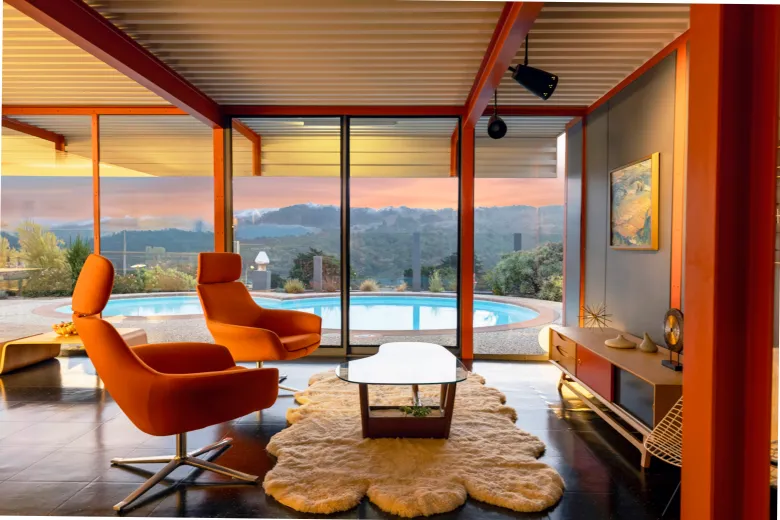
If your home sits closer to the lower end of the per-square-foot range, the sales record suggests the distance to the top is real. Whether the work required to get there makes financial sense for your situation is a question for your own accountant and, when you are ready to sell, a conversation with whoever is representing you. What the record does support is that buyers here are paying meaningfully different amounts per foot for homes that are otherwise similar in size and style, and that the difference appears to track with condition and with how well the updates respect what makes an Eichler an Eichler.
Modernizing a radiant system or replacing a flat roof because you want a better-functioning house is a straightforward decision. Doing it because you expect a specific return is harder to support from a sample this size. What is clear is that homes where the work has been done tend to close differently than homes where it has not.
Tim McMullen · CA DRE #02016832
[email protected] · (415) 691-9272
Tim McMullen, CA DRE #02016832. Real estate services provided by Tim McMullen, Broker, CA DRE #02016832. Figures are from recorded sales; nothing here is an opinion of the value of any home.